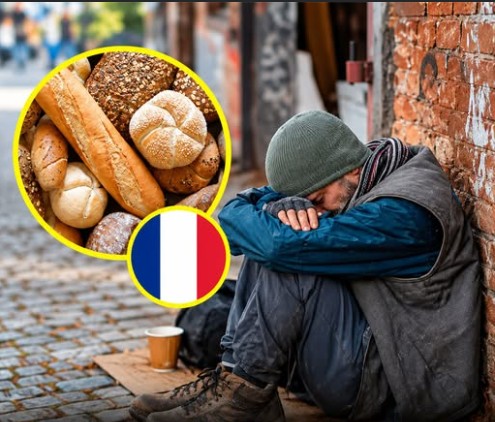
For many people, the idea is difficult to understand. At the same time that perfectly usable food can end up as waste, there are communities where people struggle to afford enough food for themselves and their families.
Food waste is a complicated issue, and it happens at many different points in the food system.
Restaurants may have leftover meals at the end of the day. Grocery stores can have products that are approaching their sell-by dates. Bakeries may have bread that is still perfectly edible but is no longer considered suitable for sale the following morning. Sometimes food is discarded because of damaged packaging, appearance, overstock, or strict inventory policies.
In some situations, businesses have also been criticized for making discarded food difficult or impossible to recover.
One practice that has attracted particular attention is the disposal of food together with substances such as bleach. The reasoning can include concerns about sanitation, liability, or preventing people from consuming products that a business has already determined should not be distributed.
But seeing edible food deliberately made unusable can be disturbing.
The larger question is what happens before food reaches the dumpster.
Could some products be donated instead?
Could surplus food be redirected to food banks, shelters, community organizations, or other groups that can distribute it safely?
In many places, businesses and nonprofit organizations have developed food-rescue programs designed to answer exactly that question. Rather than allowing surplus food to become waste, these programs attempt to connect businesses with organizations that can use it.
There are challenges, of course. Food safety regulations, transportation, storage, timing, and liability can make donations more complicated than simply putting food aside.
Still, the conversation surrounding food waste continues to grow.
A loaf of bread that cannot be sold tomorrow does not necessarily mean it has no value today.
A meal that cannot be served in one restaurant may still be useful somewhere else.
And a product that has reached the end of its commercial life may not have reached the end of its practical life.
The image of edible food sitting in a dumpster is powerful because it raises a simple question:
If something is still safe to eat, is throwing it away really the only option?
Finding better answers may require cooperation between businesses, charities, governments, and communities.
Because reducing food waste is not only about saving food.
It is also about finding ways to make sure more of what we already produce actually reaches the people who can use it.