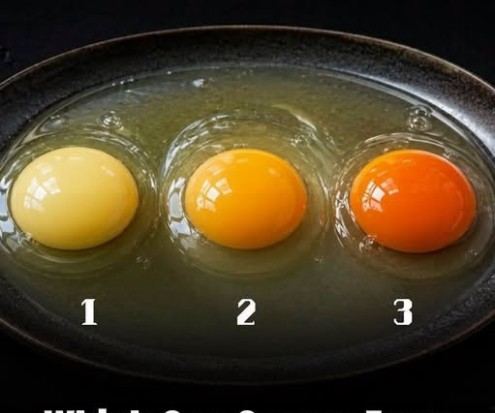
Have you ever cracked open an egg and noticed that the yolk was pale yellow in one carton but a much deeper orange in another? It is easy to assume that a darker yolk automatically means the egg came from a healthier chicken. But yolk color is influenced by several factors, and the explanation is more interesting than it might seem. 🥚
The main factor behind yolk color is the chicken’s diet. Certain foods contain natural pigments called carotenoids, which can influence the color of the yolk. Ingredients such as corn, leafy plants, and other foods containing these pigments can contribute to a deeper yellow or orange appearance.
Because of this, yolk color by itself does not provide a reliable way to determine how healthy a chicken was or how nutritious an egg is.
A darker yolk can indicate that the hen consumed more pigment-rich foods, while a lighter yolk can result from a different diet. The difference in appearance does not necessarily mean that one chicken was healthier than another.
Other factors can also influence eggs, including the breed of the hen, its diet, and the conditions in which it is raised.
It is also important to remember that appearance is only one small part of an egg’s characteristics. Factors such as freshness, storage, cooking methods, and the overall nutritional composition of the egg are more relevant when considering its quality.
So, the next time you see an egg with a bright orange yolk, there is no need to assume that it automatically came from a healthier chicken. The color can tell you something about the hen’s diet, but it cannot provide a complete picture of the animal’s health.
This simple difference in color is a good example of why food appearance does not always tell the whole story. Two eggs can look noticeably different while both remain perfectly normal.
Ultimately, yolk color is mostly a reflection of what the hen has been eating—not a simple health score for the chicken. 🥚🌱